How Often to Scan (and Pentest) Your Website
Cadence that works: continuous automated scanning, annual (or event-driven) pentests, and retests after big launches.
Short answer
Run automated external scans continuously or at least after every production deploy. Schedule a human pentest annually or when you ship major auth or payment changes. Retest after critical fixes.
Scan cadence
After deploys that touch config, DNS, or dependencies. Weekly minimum if deploys are rare.
The point is regression detection, not a calendar sticker.
Readers skimming how often scan pentest often stop at definitions. The part that prevents incidents is the verification step after the change - and the habit of re-checking after the next deploy that touches the same layer.
Pentest cadence
Annual baseline, plus event-driven reviews for new admin features, new vendors with data access, or compliance deadlines.
Event-driven matters more than a rigid anniversary if the product changes fast.
Common failure mode for how often scan pentest: staging looks fine, production still serves the old config because a CDN, load balancer, or second vhost was never updated. Always verify the hostname customers hit.
Retest
A finding without retest is an open story. Budget retest when you buy the test.
Closing the loop is what turns a report into risk reduction.
If this section on how often scan pentest becomes a recurring ticket, automate the check. Manual one-offs rot; a post-deploy assertion or weekly grade keeps the control honest.
What to do this week
- Define scan triggers: post-deploy + weekly floor.
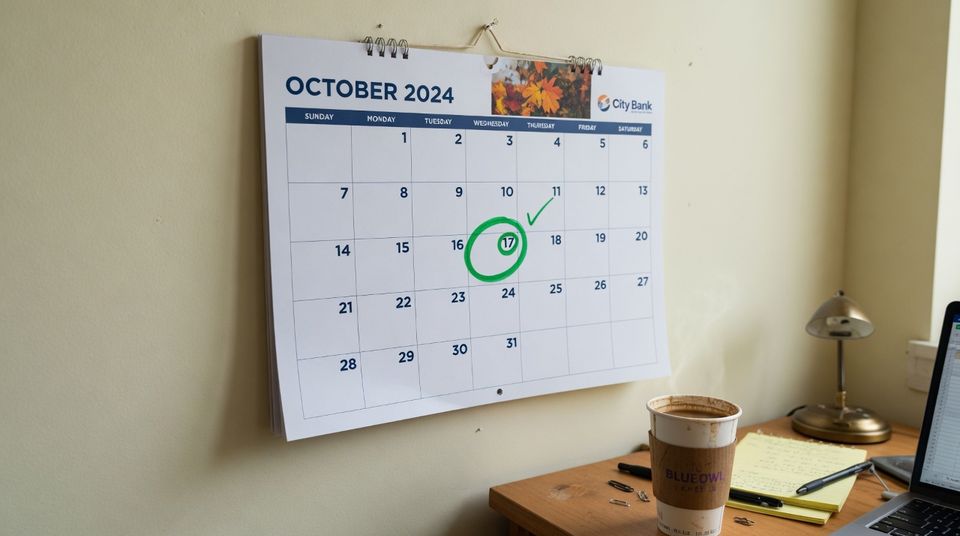
- Put the next pentest or event-driven review on the calendar.
- Require retest language in any pentest SOW.
- Review cadence with the owner every quarter.
Cadence beats annual theater.
Update log (1)
2026-07-19Editorial form rewrite for length and uniqueness.
Sources + verification
Practical guidance based on mainstream browser behavior, common reverse-proxy configuration, and widely published RFCs and vendor docs. Verify on your own stack with curl, browser devtools, and a re-scan after each change.